Not Quite Caffeine – This is like Google Light
Google’s latest search results seems to have the speed of Caffeine, but it isn’t digging nearly as deeply into the web’s content as that public Caffeine test from last August.
So the internet moves fast and you need more content to stay at the top – how do you tap into the potential of crowd-sourcing and ensure you’ve got something to blog about every day? Welcome to the Content Onslaught strategy..
After dropping a redirect on a domain name, it won’t take too long for the spiders to realize your domain is back and start the indexing process all over again. More details and updates on the SEO nuances of 301 domain redirects and bringing a dead site back to life.
Does a redirected domain transfer its pagerank or its keyword ranking positions? After a few months of redirecting one domain to a related one, I think I can shed some light on the current SEO implications of doing so.
So where is Google’s Caffeine update, and what can we expect from the search results when the new push goes live?
The only question left is “how much” does it help and “how often” can you provide it?
What looks like a search penalty may actually just be a case of over-optimization on supporting pages – a phenomenon known by many internet marketers as keyword cannibalism.
Google says that webmasters don’t need control over SideWiki comments about their sites, but they’re exercising the ability to remove complaints about the service from their own pages.
How do we learn what really works in SEO, and can we handle the reality of the situation when its staring us in the face? Its time to get busy building links like you’ve never done before…
Sometimes fixing a Google penalty is easy, and sometimes you can’t even find a clue to help you rank higher. My experience with page twenty just keeps getting worse and worse.
Internet democracy has fallen to the same forces that often make it an unstable political system. Will the new republic deliver the content that surfers want without making the web too predictable? How can webmasters and SEOs adapt to the constantly changing world of online promotion and traffic building?
August 2009 – Google’s latest algorithm seems to disrupt long-standing search results and the quality of the SERPs is in question. When analyzing the top spots for some of my target keyword phrases, I’m slightly surprised to find that paid links seem to dominate and social bookmarks drag URLs down.
Not only is nofollow unable to fight spam and messing up the value of links on the web, its not even conserving pagerank like most webmasters thought it was. Matt Cutts recently shocked the SEO world by announcing nofollow destroys link juice rather than conserving it and keeping it internal.
After some downtime, URLs are beginning to get re-indexed and search engine positions are returning to their old locations. Downtime may be a big set back, but it isn’t the total end of a website’s marketing position.
The effects of downtime on SEO have been debated and denied, but there’s certainly a long term consequence for extended service interruptions.
About a week and a half after transferring my sites to a unique IP address, the immediate SEO results have been significant. Here is a summary of the results I’ve seen so far and some more information about obtaining a unique IP address for shared hosting accounts.
What is this 10 minute mail and why do I keep getting their search engine traffic? Learn about a great email resource for webmasters and how it became my own personal SEO experiment. Hopefully, this will fix some search engine results for the gain of everyone involved.
March 23, 2009 – The Google pagerank toolbar is showing strange results and hints of an update, but the fluctations are too wild to draw any conclusions yet. Instead of obsessing over the latest hints, I’m going to use the time to write a blog post!
If Google says the internet is a cesspool, how is a white hat SEO supposed to clean anything around here without ruining their clothes?
Apparently, I’m not the only one who has noticed a significant decline in traffic and search engine rankings recently. What I had originally assumed a consequence of my inactivity may also be related to a new Google algorithm that seems, initially, to favor large name-brands more than it once did.
The temptation to sit back and watch profitable websites “take care of themselves” can be strong – but from my experience, the sand castles built of search engine positioning are sitting on top of a sinking foundation. Stand still for too long – and you might find yourself buried by new competition.
Directory submission is an outdated method of organizing the web, and trying to add your links to appropriate directories for SEO purposes is mostly an exercise in futility. Read about the history of web directories and a hint about the future of organizing the web.
Nofollow doesn’t work – spam is as bad as its ever been and Google’s search results are just becoming predictable.
Was that a pagerank update? Sort of, but it seems like only new URLs are currently being exported. Here’s a few hypotheses concerning PR – both the instantaneous value and the one that shows up in your toolbar or at the data-centers than can be queried publicly.
Here is one of the biggest “duh” moments I’ve faced recently in SEO – and if you’re wondering why your off-page activities have no impact on a page’s ranking (or even if it seems to drop regardless of off-page efforts) you may just need to revisit the on-page source and do some cleanup.
If you’ve got a website that’s been around a while, chances are you’ve got some old outdated links pointing to pages on your website that don’t exist anymore, or have been moved. Always make sure to use 301 URL redirects to “fix” these broken links, or if you ever need to rename or delete an old page.
Google now recognizes the number of posts and authors on forum URLs. What does this mean in terms of SEO?
There’s no way to escape it – Content is the most important aspect of any successful SEO campaign. Links still have their place in ranking and indexing sites, but the links need to carry the authority of editorial approval that can only be earned through the production of quality content.
Here are the SEO modifications I’m making to my PHPBB3 boards before they even go live, and some links to more complete sources for PHPBB3 SEO
A .com domain may inspire more consumer confidence than some of the newer top level domains, but the major search engines don’t seem to be playing any favorites.
Quality matters when it comes to SERPs, and search engines seem to be measuring this metric by watching visitor and surfer behavior on sites they go to from the search results. If you want to rise in the search ranks quickly, you’ll need to catch your readers’ interest in just a few precious seconds.
Are Pligg sites good for SEO? Well, a few of them are if they meet some of the listed conditions. Most of them aren’t, and there’s quite a few reasons why most won’t be very useful to a webmaster.
Some popular social bookmarking websites like Reddit may offer the best clue to the future of search engine optimization and SEO techniques. What is it all ultimately about? Content that the users want to see!
Too much SEO? Its possible, even with totally white-hat methods. If you want to rank high on the search engines these days, content needs to be the top priority. Here’s how I lost thirty spots on a few pages (I think)
All financial investors know to diversify their assets, so shouldn’t website builders and SEO professionals do the same?
Does Pagerank really matter? Is it important to obsess over this one little detail when there are so many different ways to judge the value of a website? Well, the one extra bit of data probably helps, but it shouldn’t be your only goal – nor should you waste time waiting for the update to get published. There’s still other work to be done in the meantime!
Patience is a virtue, and radical fluctuations in the search engine positions is something you’ll just have to get used to until your website is firmly established as an authority in the field. Don’t worry though, what goes down often comes back up…
Need Traffic? Then you’re going to need new content and new links. How else will the search engines know your website is still alive?
New content may get a huge boost in the search engines, but this crush never lasts long before the reality of establishing backlink authority comes into play and newer articles virtually fall off the map.
The first step to getting keyword specific traffic is … well, to figure out what they keyword is going to be and write something interesting about it. (Pictures and videos are great too, but some written content will have to be considered in any good on-site optimization strategy for SEO)
My original SEO plan for WebsiteBuilding.biz – How I brought in traffic as a virtually brand-new website.
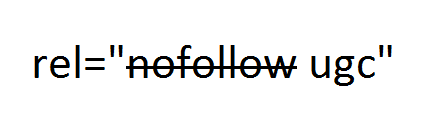
What does “nofollow” mean? How can it affect your backlinks and your website? Learn a bit about the relation/attribute here.
Even small algorithm changes at Google can make a big difference in how surfers as a whole experience the internet. Don’t get too caught up in the latest trends, make sure you’re building a website presence and marketing plan that will survive the storms that are certain to come.
Whats the ultimate secret to SEO? Well, as much as backlinks, anchor text, and on-page optimization may help – nothing beats quality content. Quality content builds its own links, and there’s nothing Google loves more than to get its hands on something new to figure out where it belongs.
Backlinks – quality does matter a lot more than quantity. How I learned to stop worrying about the exact link number and came to focus on finding the right links. Now that I only seek out good links, I can go back to worrying about the total number.
Hey, sometimes traffic is good. Sometimes its not. When things slow down, you should definitely be on the lookout for anything that’s recently changed, but its not the time to start panicking either.
Yeah, I’m talking to you bots that drop about five dozen links in a post that only says “Thanks! Good job!” Spam isn’t just annoying, it could get you in trouble with search engines and your SEO plans.
More than I expected, and my first hint that my link building efforts were on the right track. Its usually a good sign when your second website grows in pagerank quicker than the first. Nowadays I think PR2 in four months is a dreadfully long time to wait.
Remember the tortoise and the hare? Well, the internet marketing and SEO game isn’t a sprint, its a marathon. Slow and steady is the sign of organic growth that the search engines are going to want to see to know that your site is legit. Don’t burn up or fade away, stick to the path and push at the rate you can sustain!